
Should Finland Emulate Sweden’s Capital Tax Approach?
Sweden’s capital taxes are much more advantageous to capitalists than Finland’s. Should Finland change. Yes, but it is complicated.
I was asked about my views on Finland’s capital taxes compared to Sweden given Sweden’s astonoshing success in private equity, venture capital, and other vehicles for deplying capital, and the high number of dollar billionaires in the country.
Meanwhile, Finland’s economy seems to be lagging Sweden’s and there is widespread pessimism about the countries prospects, even more so when trade with Russia was cut off.
To have a perspective on the capital tax regime, it is necessary to understand how Finland’s economy is truly doing. Is it lagging Sweden’s? And then to understand how tax regimes impact countries performance.
- What is the relative economic comparison? They are more or less equal. We see this when comparing lanor, capital, and as an oucome, total factor productivity (TFP).
- TBD: Does Type of Taxation Matter? No and Yes. To understand this, Ronald Coase’s theories on transaction costs are applied.
- TBD: Thoughts on tax policy for Finland (and Sweden)
Finland-Sweden Economic Comparison
Demography
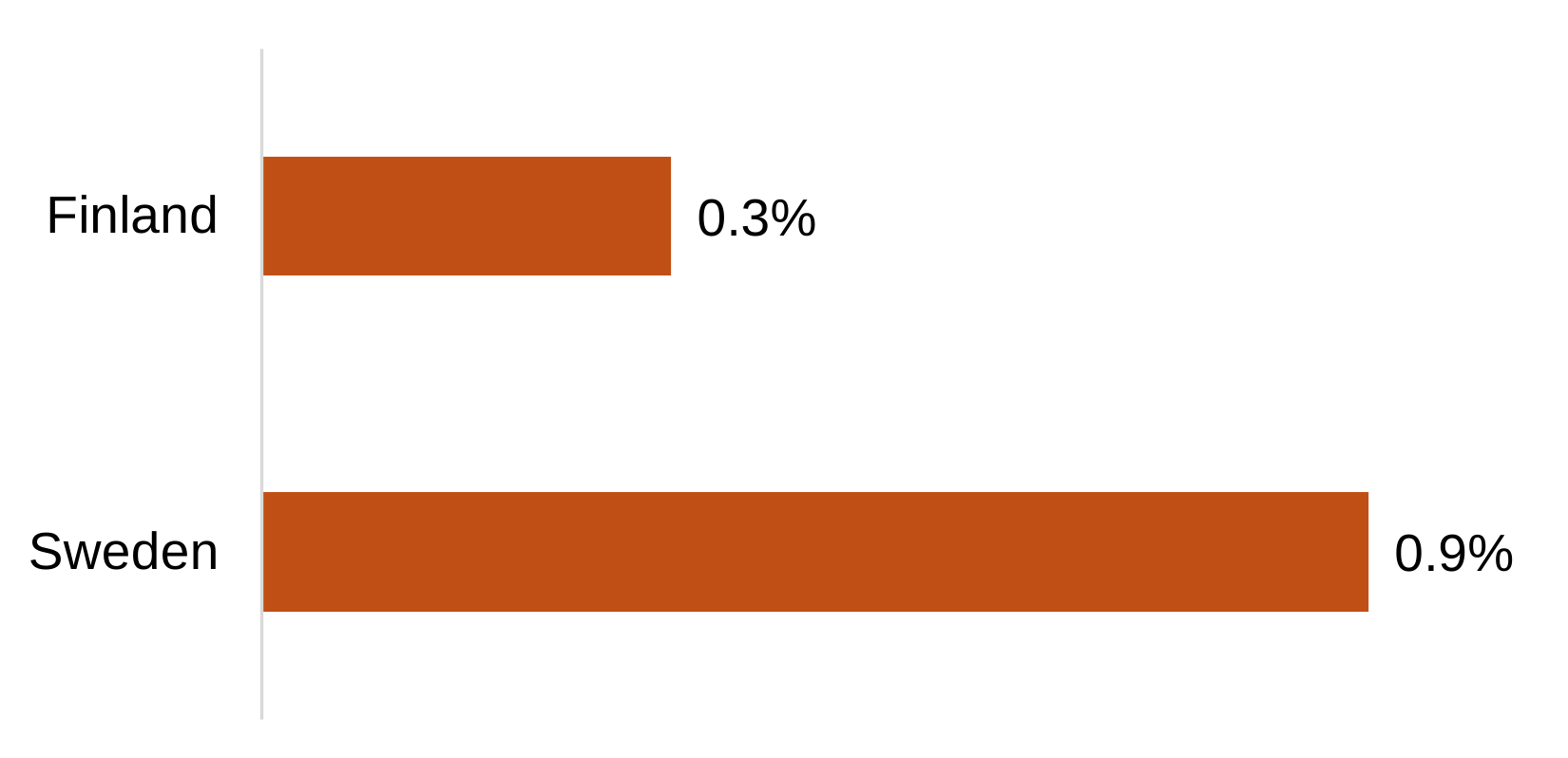
Before looking at GDP, it is important to understand the demographic differences. Sweden has had much higher population growth than Finland (figure 1)
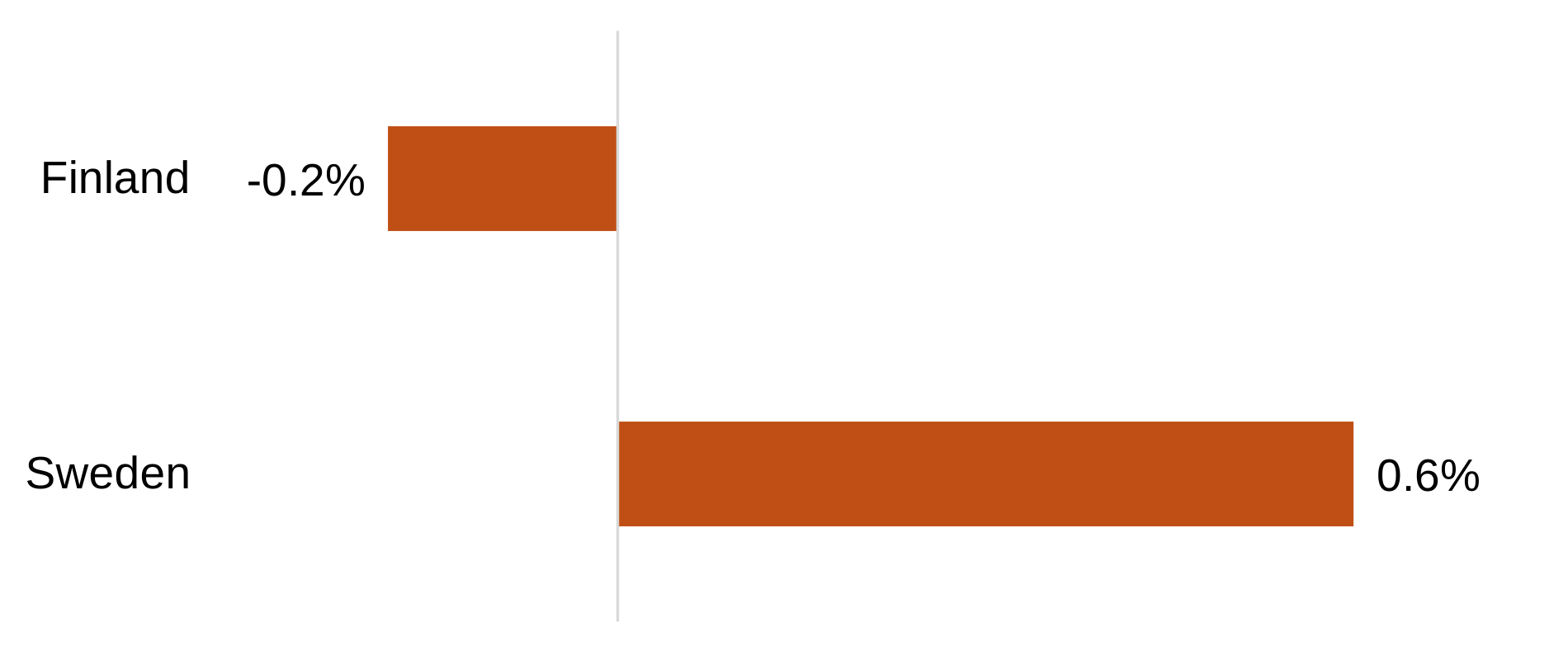
More importantly, economic growth is in mainly a function of the growth in working-age population, not total population. Here, Finland lags even more (figure 2).
Gross Domestic Product and Labor
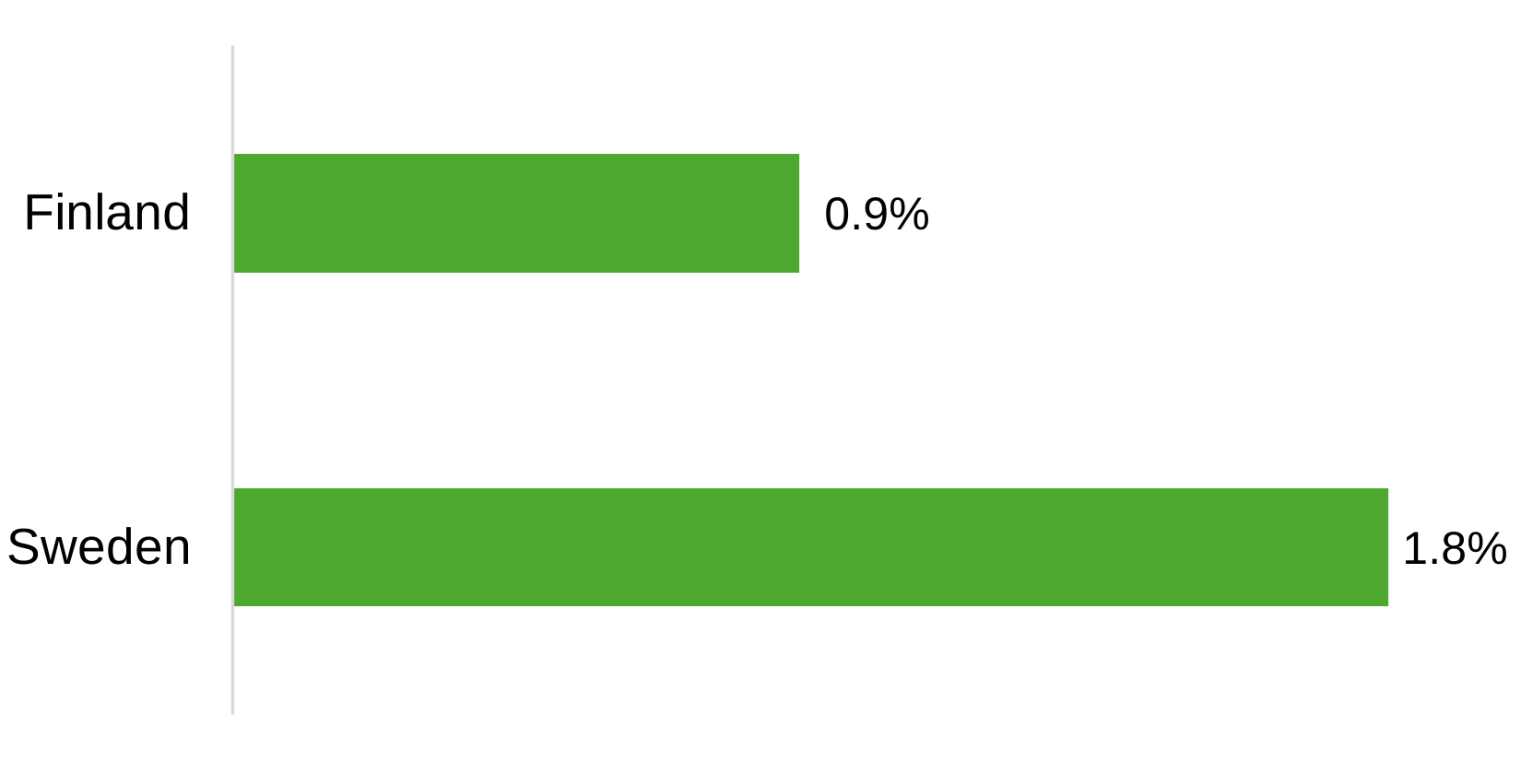
We turn to GDP growth in total (Figure 3). Sweden has had a substantially higher growth rate.
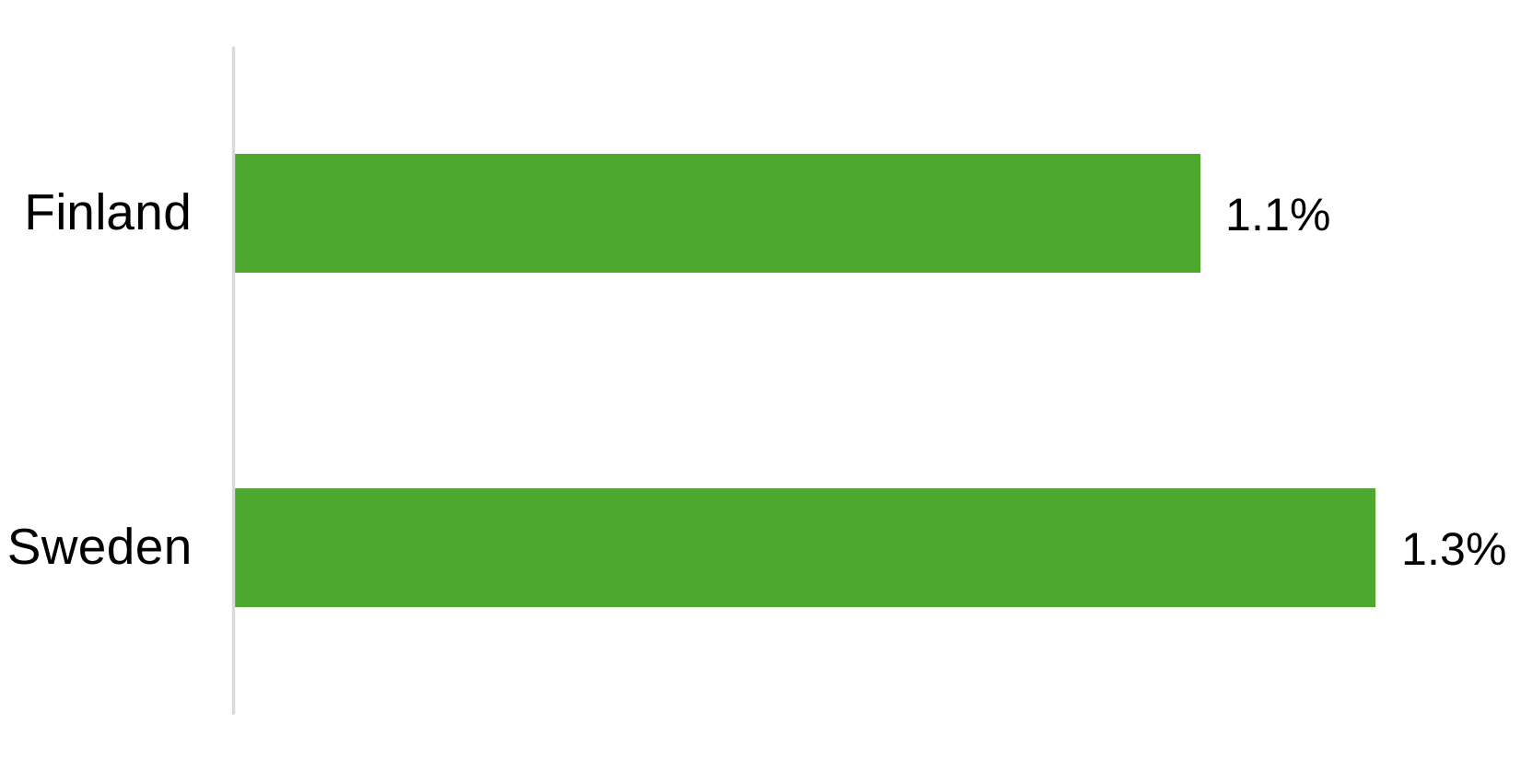
However, this combines economic and demographic contributions. A better metric is growth in GDP per working-age population. With this, the gap narrows considerable (figure 4).
GDP and Capital Formation
Labor contributes around 60% of GDP in both Finland and Sweden. The rest is contributed by capital (fixed assets such as factories, robots, buildings, R&D) and more.
Capital has grown 1.1% p.a. in Finland and 2.7% p.a. in Sweden. Has the capital been put to good use? Not at all in Sweden, and weakly in Finland (figure 5). Capital destruction is massive in Sweden.
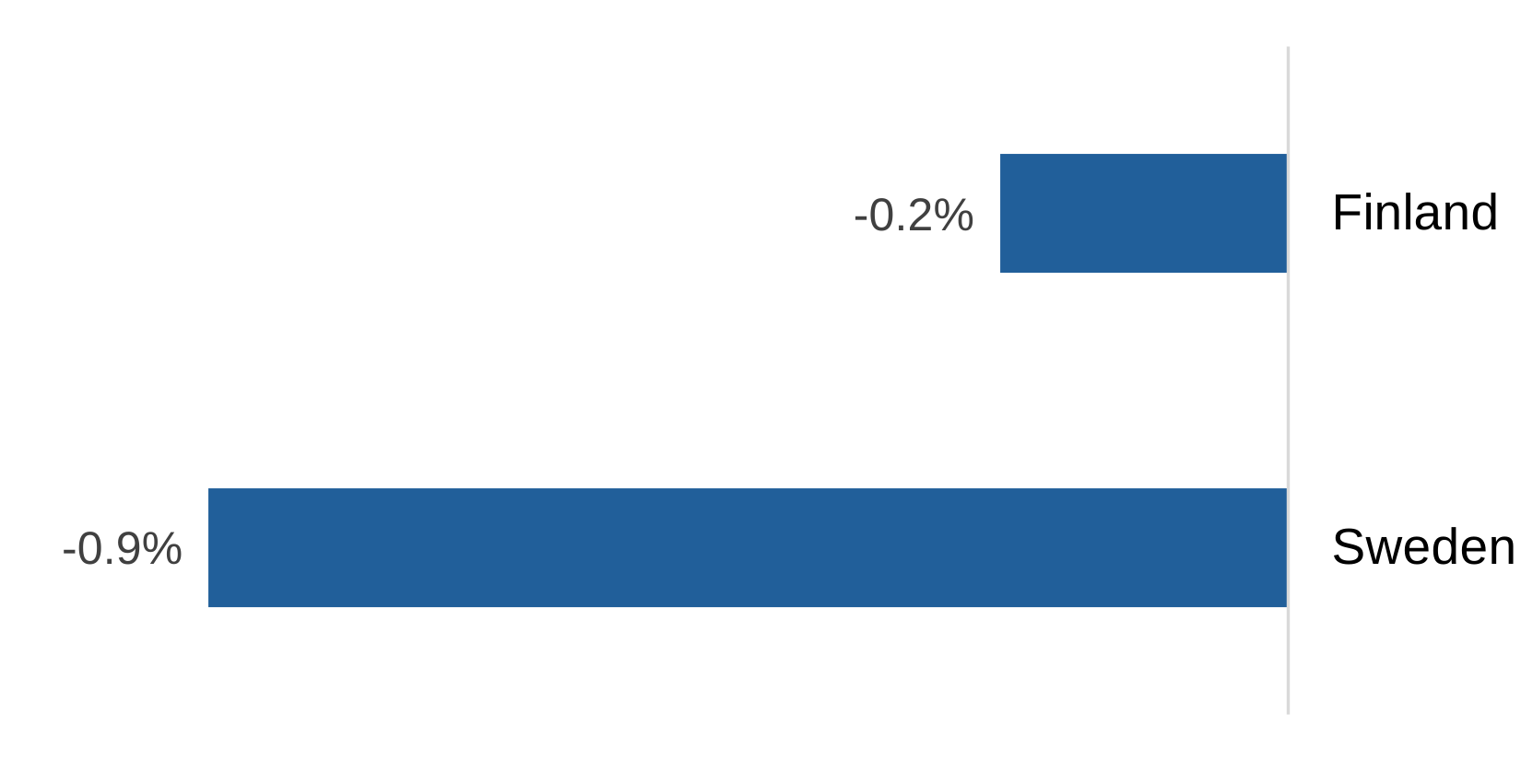
Technical note: The interaction effect between labor and capital (often called deepening) have been eliminated so these are “pure” labor and capital productivities.
Total Factor Productivity–The Thing That Really Matters
So how has each country performed in total? Have they become “better” or “worse” over the 15 year period. This is measured Total Factor Productivity (TFP). Without going into how this is calculated (it is a direct outcome of the graphs above, and surprisingly easy to calculate: plus, minus, multiplication), Finland has a slightly better performance than Sweden (a decimal has to be added to show the small difference).
A few regions have been added. In comparison to these, neither Finland are doing well (figure 6). (The U.S. is infinitesimally below the EU.)
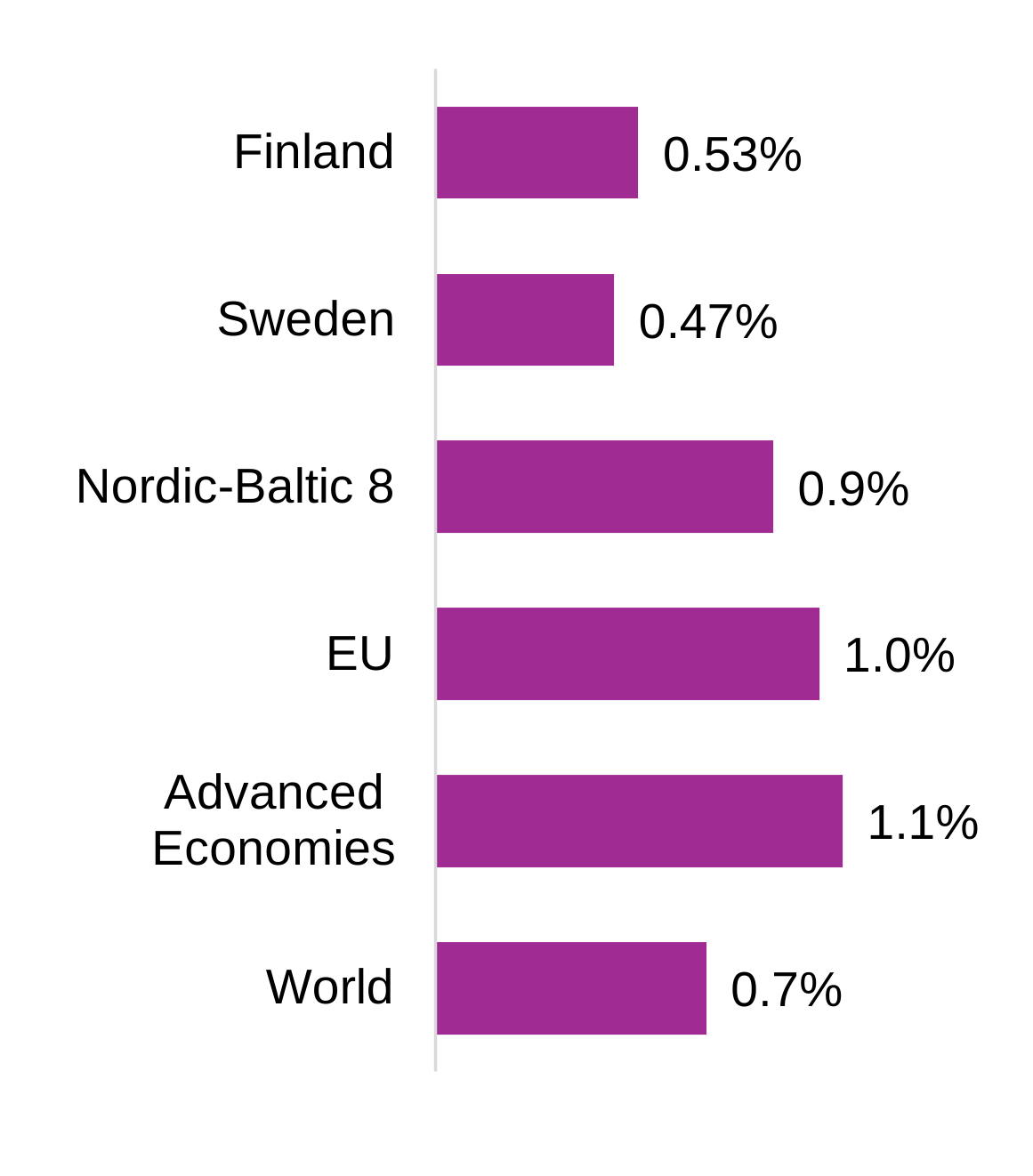
Source for all figures: Paragonal Productivity System by Tellusant
Does Type of Taxation Matter? No and Yes
I use the term capitalist for individuals or firms that own and manage capital. No value judgment is intended.
The question is not simply whether a tax corrects something, but whether the resulting institutional arrangement improves outcomes once transaction, administrative, and behavioral costs are included.
The Problem of Social Cost - Summary
Coase’s The Problem of Social Cost applied to taxation. Main (surprising) point: only the cost of managing the tax system–the transaction cost–is relevant (as long as tax levels ae reasonable); the types of taxes do not matter. I could be wrong, so I have to work through this, but I’ve thought about it for 20 years and have so far found no flaw in the logic.